This is a lot like saying, in 1995, that if the internet was going to be a useful thing to society, then everybody would already be using it.
Utilities are slow. And not so bright. They are using old technology that hasn't changed for decades, has reached its peak, and doesn't advance. Utilities are conservative.
If something new comes out and is better, it's going to take them a decade to even realize what's happening. Then it's going to take decades for the old multi-decade existing equipment to age out.
And if the technology is cheaper, there's a very good chance that utilities will heavily resist providing cheaper electricity because in many markets they are regulated monopolies, with a fixed rate of profit. Cheaper energy prices mean less profit.
In reality, solar is cheaper energy today. Providing 99% of our energy by solar, wind, geothermal, and storage is cheaper than our current energy mix in California:
And year after year, solar, wind, and storage get cheaper, and we have not yet reached the inflection point of the logistic curve yet. The genera form of Moore's law is Wright's law, and it applies to renewable energies, and is no longer in effect for fossil fuel tech.
Utilities are huge financial organzations that have to provide secure generation and transportation over decades. Just because solar is cheaper now doesn't mean you can replace everything in just a few years. Also Solar might work great in California but Nebraska not so much.
> Also Solar might work great in California but Nebraska not so much
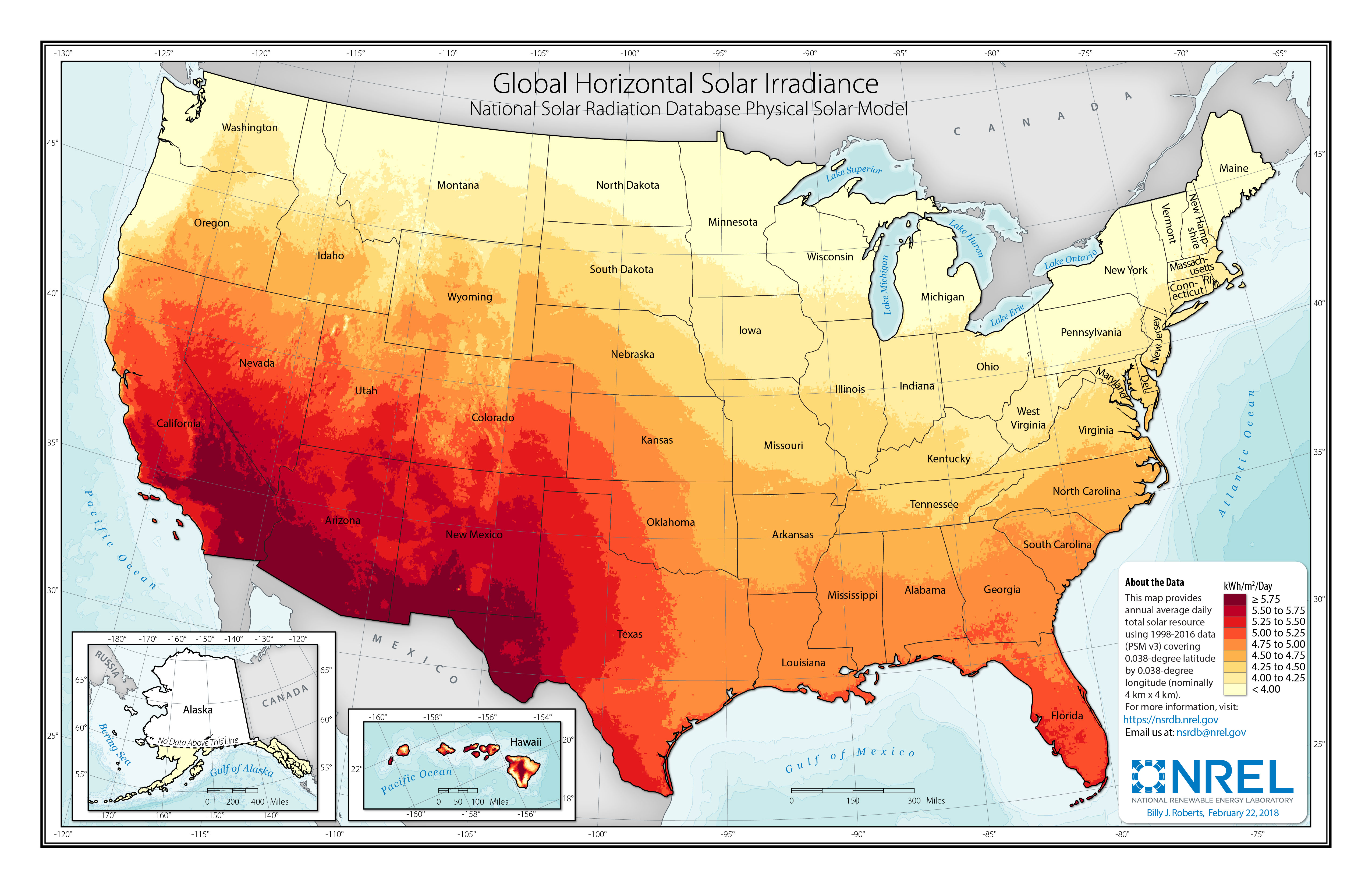
If you think that solar doesn't work fantastically in Nebraska, then I think you need to reevaluate the data, and start holding your utility to account.
Solar works great in Minnesota, with lower solar resources than Nebraska. The key difference is whether the utility will allow a financially beneficial decision to made, not the fundamental economics of the technology.
Contrast the planned 2023 solar additions in yellow dots on this map:
So while you are right that utilities are slow, which was the main thrust of my original comment, we must also acknowledge the financial incentives of utilities to distort a setup that can not even result be called a market.
Electricity decisions are made based on what the utility perceives will give it the greatest profit, with all their biases, and without regard to what will deliver the best overall cost-optimal solution for reliable power.
The main point is people in Northern lattitudes needs most of their energy in the Winter, especially winter nights. Its a very different problem to Southern states where peak energy use is hot sunny days.
As for distortions the biggest problem with retail users is that panels have changed the market but people still expect to use the old rules. Eg be self sufficient 320 days a year but expect eletricity on demand at the same low rates on the few days they need the grid. That isn't scalable and home solar people are getting an unfair advantage from the system, which is why utilities (rightfully) dont like it.
Seriously, check out where solar is getting installed on that map.
Cold wonders are not a reason to avoid solar. Look at where they are getting installed around the north east and the Great Lakes. They will laugh at your Nebraska winters.


Utilities are slow. And not so bright. They are using old technology that hasn't changed for decades, has reached its peak, and doesn't advance. Utilities are conservative.
If something new comes out and is better, it's going to take them a decade to even realize what's happening. Then it's going to take decades for the old multi-decade existing equipment to age out.
And if the technology is cheaper, there's a very good chance that utilities will heavily resist providing cheaper electricity because in many markets they are regulated monopolies, with a fixed rate of profit. Cheaper energy prices mean less profit.
In reality, solar is cheaper energy today. Providing 99% of our energy by solar, wind, geothermal, and storage is cheaper than our current energy mix in California:
https://energycentral.com/c/cp/our-path-247-renewable-energy...
And nationwide in the US, it's cheaper to shut down a paid-for coal plant and replace it with solar than to continue buying fuel:
https://insideclimatenews.org/news/30012023/wind-solar-coal-...
And year after year, solar, wind, and storage get cheaper, and we have not yet reached the inflection point of the logistic curve yet. The genera form of Moore's law is Wright's law, and it applies to renewable energies, and is no longer in effect for fossil fuel tech.